Market Spotlights
Each entry in this series takes one metro and looks at what the current data actually shows — the case for it, and the catch that a headline yield figure hides. Every figure is checked against its source before publication: prices from Redfin, rents from Zillow's single-family series, days on market from Realtor.com, jobs from the Bureau of Labor Statistics, and tax treatment from the statute or the county itself.
The glossary defines the market-data terms these profiles use — days on market, sale-to-list ratio, ZORI, assessment ratio — and which measure each figure comes from.
None of these is a recommendation to buy. They are starting points for your own underwriting, and each one says plainly what would make the market a mistake.

The largest market in this series, a 2.3x price spread between its submarkets, two states with different assessment systems, and one county the state has had to order corrected three times.

Strong rent against the purchase price, a rental market institutional buyers have been active in for years, and a property tax cap set at double the owner-occupant rate.

Population and job growth outpacing most of the Southeast, home prices finally cooling, and the defense-sector concentration risk worth modeling before you buy.
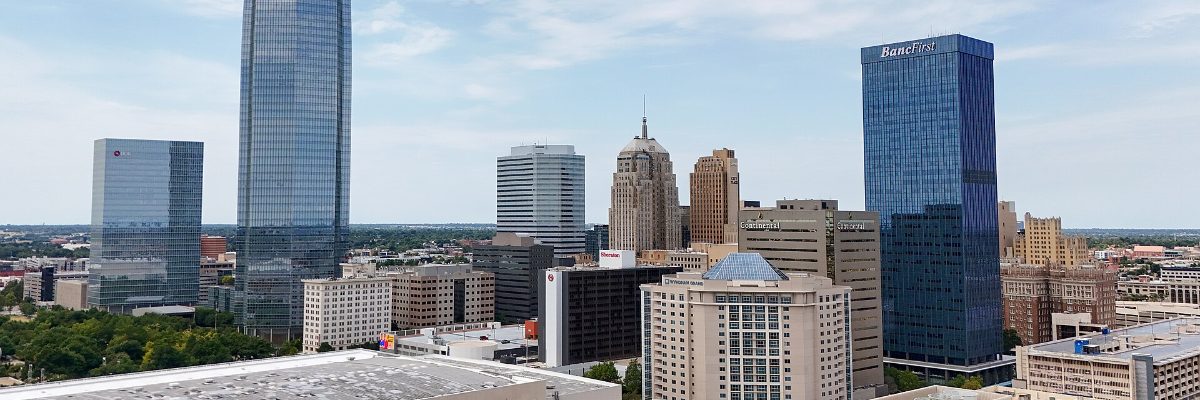
The rare market where population, jobs, rents and absorption all point the same way — and where the insurance line, not demand, decides the deal.
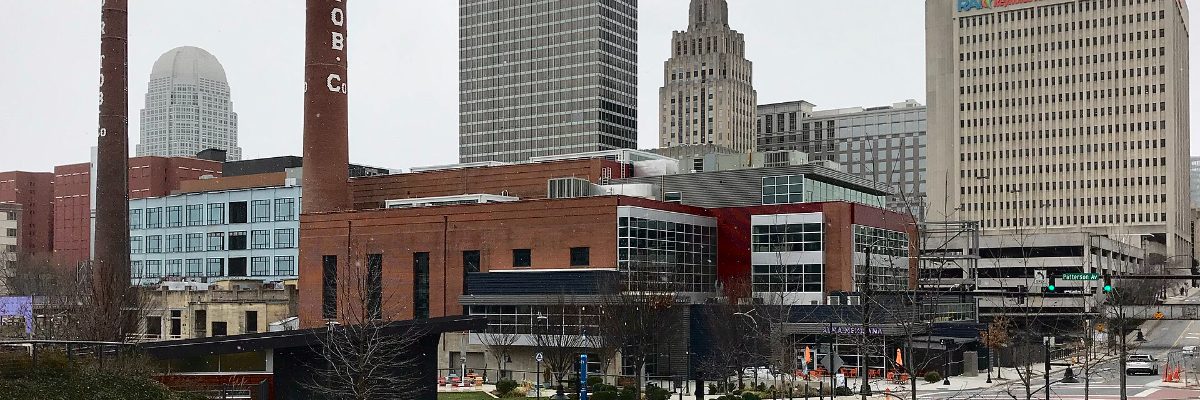
Two metros where the headline tax rate is genuinely the rate you pay — and one county where a 40% revaluation lands in the 2027 bill.
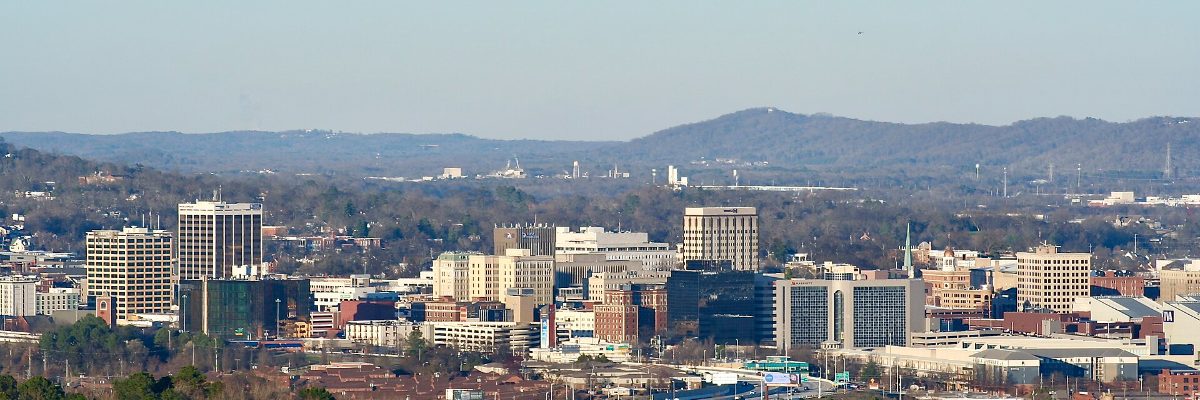
A genuinely diversified employment base, no owner-occupier tax penalty, and a two-unit threshold that raises your assessed base by 60%.

The cheapest entry in the series, a government-anchored job base that is currently shrinking, and a state line that changes the tax bill by half.

Strong in-migration, prices still well under the national median, and the property tax quirk every out-of-state investor needs to model before buying.
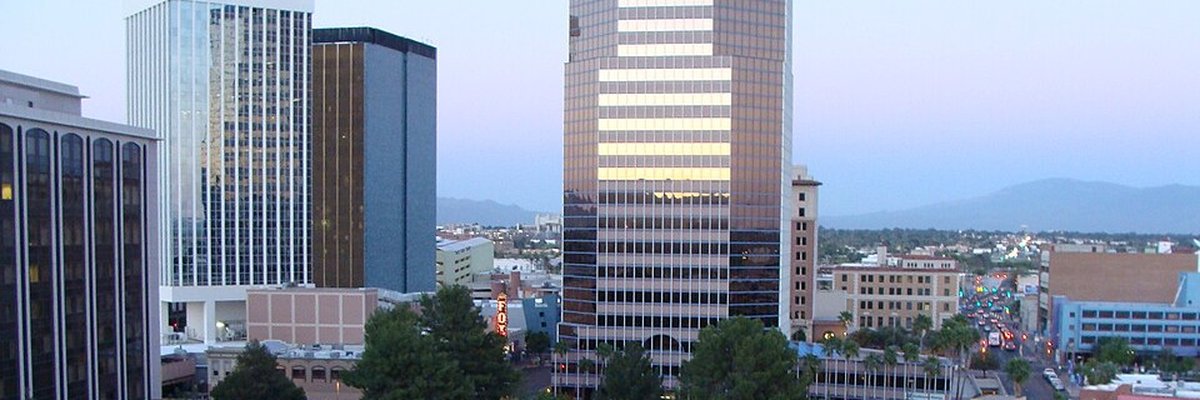
About 7.2% of the purchase price in annual rent, prices drifting lower, and rentals assessed at the same ratio as owner-occupied homes.
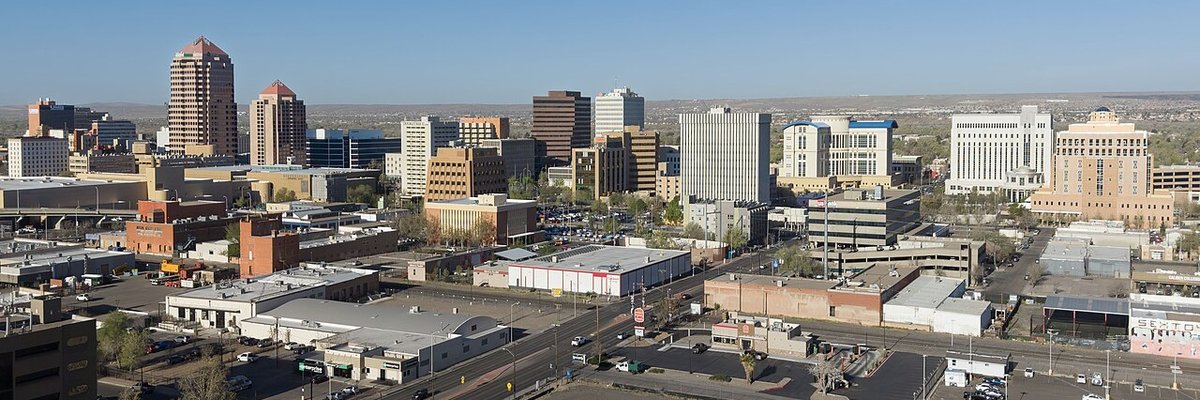
A rent-to-price spread close to Tucson’s, payrolls slipping, and a state that keeps sale prices out of the public record.